
Redefining Home: How Seniors Can Create a Sense of Belonging Anywhere
by Jeannine Bryant

As we age, the meaning of “home” evolves. It’s no longer just the physical space we’ve inhabited for decades—it becomes a tapestry of relationships, memories, and the sense of belonging we carry with us. Whether due to downsizing, health needs, or a desire for change, many seniors face the daunting task of transitioning to a new living environment. But here’s the good news: home is something you can bring with you.
After years of helping older adults and their families navigate these life transitions, I’ve come to believe that home isn’t just a place—it’s a feeling. With the right mindset and a few intentional strategies, seniors can create a powerful sense of home and belonging no matter where they live.
- Honor the Past While Embracing the Present
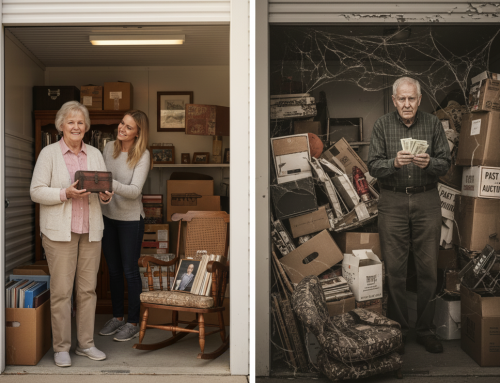
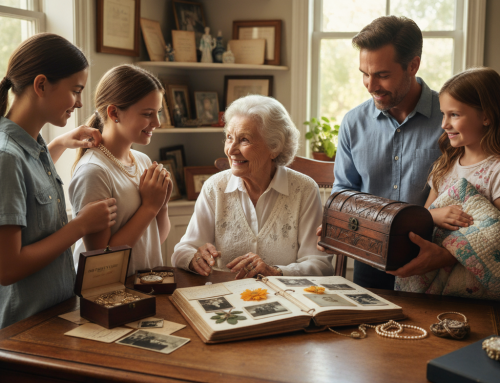
Transitioning doesn’t mean letting go of everything meaningful. Instead, it’s about curating your past. Keep the items, routines, and traditions that bring comfort and connection. Display family photos, keep your favorite coffee mug, and carry forward rituals like Sunday calls with grandchildren or evening walks.
Tip: Create a “legacy shelf” in your new home—a small space that showcases items representing who you are and the journey you’ve lived.
- Focus on People, Not Just Place
A house is made of walls, but a home is built on connection. Social belonging plays a huge role in emotional well-being during later life transitions. Whether you’re moving to a senior community, a smaller apartment, or in with family, building and nurturing relationships is key.
Tip: Introduce yourself to neighbors, join community events, or find interest-based groups like book clubs, walking circles, or hobby meetups. Even small interactions, like a chat with the barista, can foster a sense of place.
- Redefine What Comfort Looks Like Now
Physical and emotional needs change with age. Redefining home includes making your environment safe, accessible, and supportive of the life you want to live today. That might mean fewer stairs, better lighting, or a cozy reading nook where you can unwind.
Tip: Think about your daily rhythm. Where do you spend the most time? Prioritize making that space comfortable, functional, and filled with things that bring you joy.
- Infuse Your Values and Personality
Your new home should still feel like you. Surround yourself with things that reflect your interests, culture, humor, and spirituality. Whether it’s jazz vinyls, a handmade quilt, or a kitchen ready for your famous banana bread, infuse your home with your essence.
Tip: Before the move, write down five words that describe what “home” means to you. Use these words to guide your decisions about what to bring and how to set up your space.
- Stay Open to Growth
Belonging doesn’t happen overnight. It’s a process of discovery, connection, and adaptation. Give yourself permission to grieve what you’ve left behind—but also to celebrate what lies ahead.
Tip: Try keeping a “transition journal” to reflect on your thoughts and feelings. Over time, you may be surprised at how your new environment begins to feel just as sacred and secure as the one you left.
Final Thought:
Redefining home isn’t about erasing the past—it’s about honoring it while making room for something new. As an expert in senior transitions, I’ve seen time and again that the most meaningful homes are not necessarily the biggest or fanciest—they’re the ones that reflect who we are, keep us connected, and evolve with us.
So wherever you—or your loved one—are headed next, know this: home is something you carry in your heart.