
Lessons from 1,000 Transitions: What I’ve Learned Helping Seniors Let Go
by Jeannine Bryant

The First Goodbye
I still remember the first home I helped a senior leave behind. It wasn’t the grandest house or the most cluttered one I’ve seen—but it was filled with 50 years of love, memories, and mementos that told the story of a life well lived.
The owner, a spirited woman named Eleanor, clutched a faded cookbook as we packed up her kitchen. “I haven’t cooked from this in years,” she whispered, “but it was my mother’s.” That moment was when I first understood: this work isn’t about boxes. It’s about heart.
Now, over a thousand transitions later, I want to share what I’ve learned—not just about organizing or moving, but about humanity, healing, and the power of letting go.
- Letting Go Is Not About the Stuff
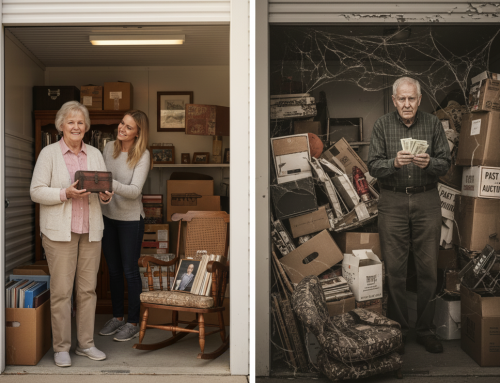
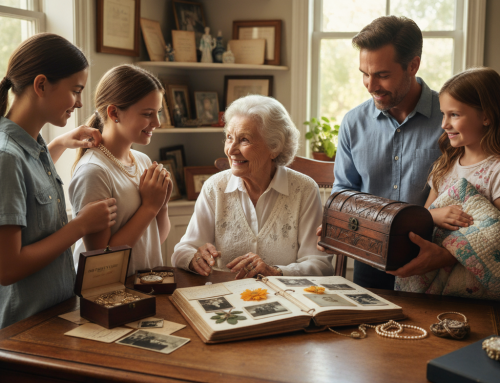
People often think downsizing is a logistical task. But what I’ve learned is that it’s an emotional process rooted in identity, grief, and hope. Every teacup, every piece of art, every holiday decoration holds meaning. What we hold onto tells the story of who we are—and who we were.
Helping someone let go doesn’t mean pushing them to part with what matters. It means asking the right questions:
- “What story does this piece tell?”
- “Who would love this as much as you?”
- “Does keeping this add to your life, or weigh it down?”
- Home Is a Feeling, Not a Place
So many seniors fear that moving means leaving home behind. But I’ve learned that home is less about a location and more about a sense of belonging. It’s in the favorite chair, the daily rituals, the laughter and photos and traditions that move with you.
The most powerful work I do is helping people carry that sense of home forward—into new apartments, assisted living communities, or even across the country to be closer to family. When we create continuity—bringing a familiar quilt, placing cherished books beside a new bed—we’re saying, you still belong.
- Families Need Support Too
Transitions are rarely solo journeys. Adult children often navigate guilt, worry, and stress alongside their parents. I’ve seen countless families spiral into conflict—not from a lack of love, but from a lack of tools.
My role has become part facilitator, part therapist, part logistics expert. The most successful transitions happen when everyone feels heard. When families shift from fixing it for them to walking beside them, magic happens.
- Rightsizing Is a Gift
Over time, I’ve replaced the word “downsizing” with “rightsizing.” It’s not just semantics—it’s a mindset. Rightsizing is about choosing what best supports the life you want to live now.
I’ve seen seniors reclaim space in their lives for new hobbies, friendships, and adventures by letting go of what no longer serves them. They’re not losing—they’re gaining clarity, freedom, and purpose.
- This Work Is Sacred
Each transition is a sacred passage. It’s the closing of a chapter and the careful crafting of the next. What I’ve learned after 1,000 goodbyes is this: aging is not about decline, but evolution.
In helping seniors let go, I’ve learned how to live more fully. I’ve seen courage in the face of uncertainty, humor in the midst of chaos, and tenderness that defies time.
Final Thoughts: Trust Built Over Time
If you or your loved one is facing a transition, know this: you are not alone. It’s okay to feel overwhelmed. It’s okay to grieve. But it’s also okay to be excited—for a simpler home, a safer environment, or a fresh start.
As someone who has walked this path with thousands of clients, I bring not just experience, but deep empathy. I know how to ask the hard questions and sit with the hard answers. Most of all, I know how to guide without judgment—because letting go isn’t giving up. It’s growing.
If this piece resonated with you or someone you love is facing a transition, I invite you to reach out. Helping seniors and families navigate these moments is my calling, and it would be an honor to support yours.